
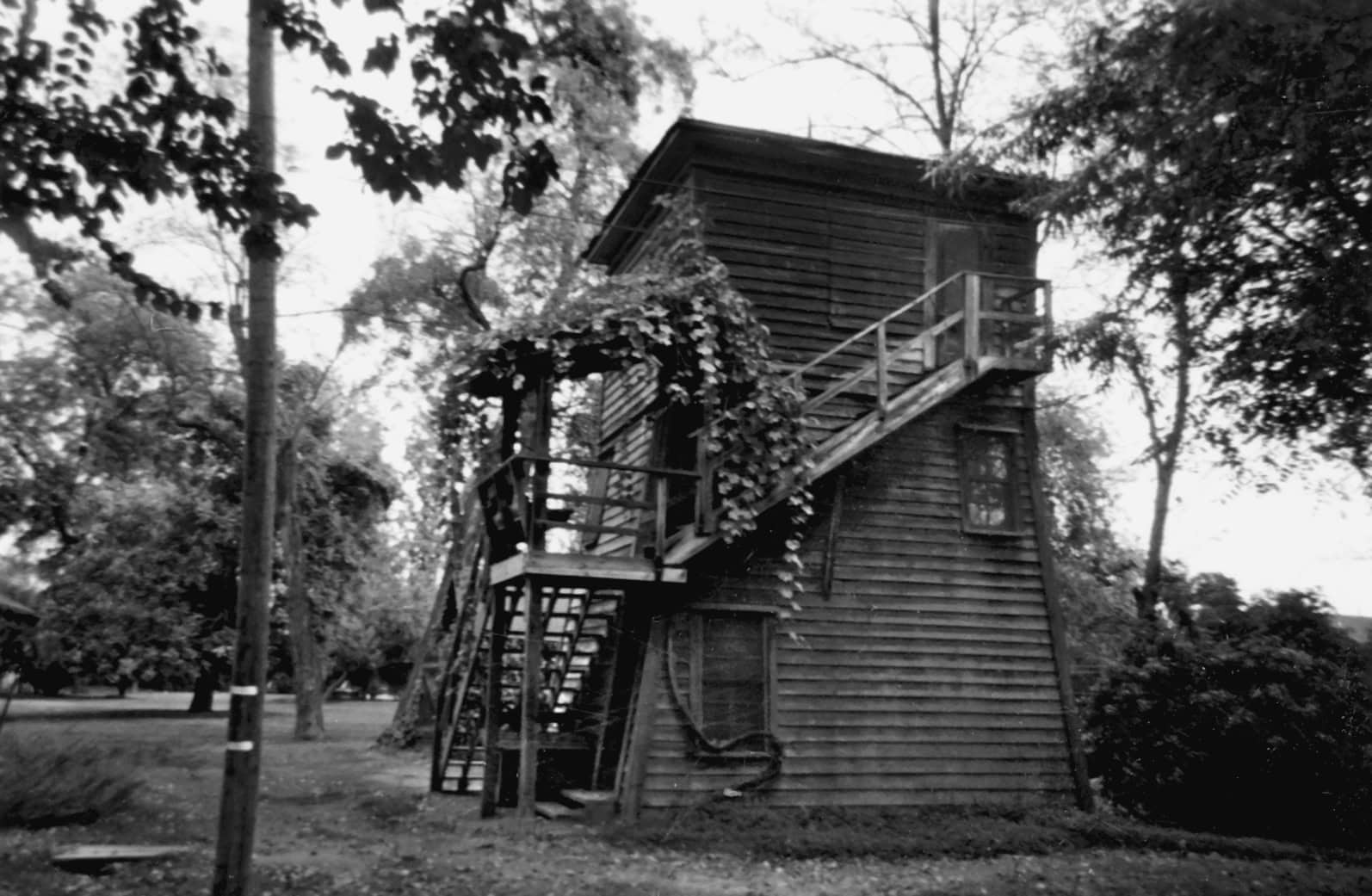
Every year in November, my mind is filled with memories of the Mordecai family. This is when the descendants of George Washington Mordecai gather at Refuge, the ranch he founded in 1868.
It is impossible to think about them without remembering that day, almost 40 years ago, when I led my sixth grade class down the winding dirt road leading from the highway to the Mordecai Ranch to visit the grave of Mr. Mordecai.
There were about 30 of us, and as we followed the path that led to the family cemetery, Brooke Wissler and her husband, Admiral John Wissler, were waiting for us by the graveyard gate. She was the granddaughter of G.W. Mordecai.
The kids and I spent about half an hour taking notes from the tombstones that morning, and when we returned to class, we went right to work discussing how we would go about researching and writing the life story of Mr. Mordecai, one of Madera County’s founding fathers.
It turned out to be an unforgettable adventure.
We mined the local archives; we dug into the state archives, and we traveled to Mississippi, North Carolina, and Virginia gathering material for our Mordecai project.
Just as important, however, were my visits with Mrs. Wissler at the ranch. Not only did she loan me family memorabilia for our research, she shared memories that had been passed down to her from her grandfather through her parents.
At the end of that school year, our class produced a book. We entitled it “Refuge,” which was the name of the Mordecai Ranch. For the students, it was an unparalleled, educational journey; for the teacher, it was the beginning of his own odyssey, one that continues to this day.
Technically, our Mordecai project ended in June 1988, but I found myself unable to let go. I was captivated by this old gentleman from Virginia who had “served with Lee and Jackson and surrendered at Appomattox,” and I continued to write about him.
My visits to Refuge became more and more frequent, as I shared the latest developments in my ongoing research, and Mrs. Wissler responded in kind with more of her memories of life at the ranch.
The camaraderie that developed as an outgrowth of my academic interest in Mr. Mordecai framed many of my earlier memories of Brooke Wissler, but in time a new dimension emerged.
As I continued to learn more about the Mordecai family history, my understanding went beyond my annotated timeline. I began to sense an adherence to a certain life style within the family that spanned the generations. It included pursuit of education, high moral standards, community respect, and loyalty to the family. For several years, these perceptions simply percolated in my brain. Then I heard about historian Emily Bingham.
In 2003, she wrote a nationally acclaimed book entitled “Mordecai: An Early American Family.” It is all about Mrs. Wissler’s ancestors.
With the precision of a scholar, Bingham brought some of my feelings about the character of the Mordecais into sharp focus.
Bingham wrote that the Mordecai family members early on “determined to become… a little band of love and duty, guided by affection, responsibility, and a deep respect for learning. They pledged to stick by one another through thick and thin, to recognize their God but always tolerate others and to improve themselves and the world around them.”
By the time I read Bingham’s book, I had been privileged to meet many of the grandchildren, great grandchildren, and great-great grandchildren of George W. Mordecai. Her characterizations of the Mordecai family in the 18th and 19th centuries actually described the Mordecais of the 20th and 21st centuries.
As I thought about her book, Mrs. Wissler and her family came to mind. What Bingham called the Mordecai “covenant” was what I had sensed at Refuge. I finally understood what George W. Mordecai meant in one of his letters when he wrote of his determination to be a “true Mordecai.”
Brooke Wissler was also a “true Mordecai.” She lived a life of responsibility to duty. She pursued excellence in education. She served her country with her husband at dozens of places around the world. She was guided by love for her family and affection for her community.
And just as important, she was fun to be around. In 1993, as our Madera Method Wagon Train was pulling into town, she ran to a rolling wagon to hand her grandson, Daniel Sheeter, to me for his promised ride into Courthouse Park.
In 2005, with a tear coursing down her cheek, she waved goodbye to Jacob Sheeter, another grandson, as we took off for a trek across West Texas.
I particularly enjoyed speaking to the Monday Club at the ranch a couple of times and relished being invited to the Mordecai family’s annual gathering at Refuge.
I plan to visit the family cemetery at the ranch again soon, and when I do, I am going to have another chat with Brooke Wissler. I will like that, because I know she will be listening. She always does.